
3‑inch TRAINING FPV Cinewhoop Training Drone Buying Guide|Specs, Target Users & Procurement Pitfalls
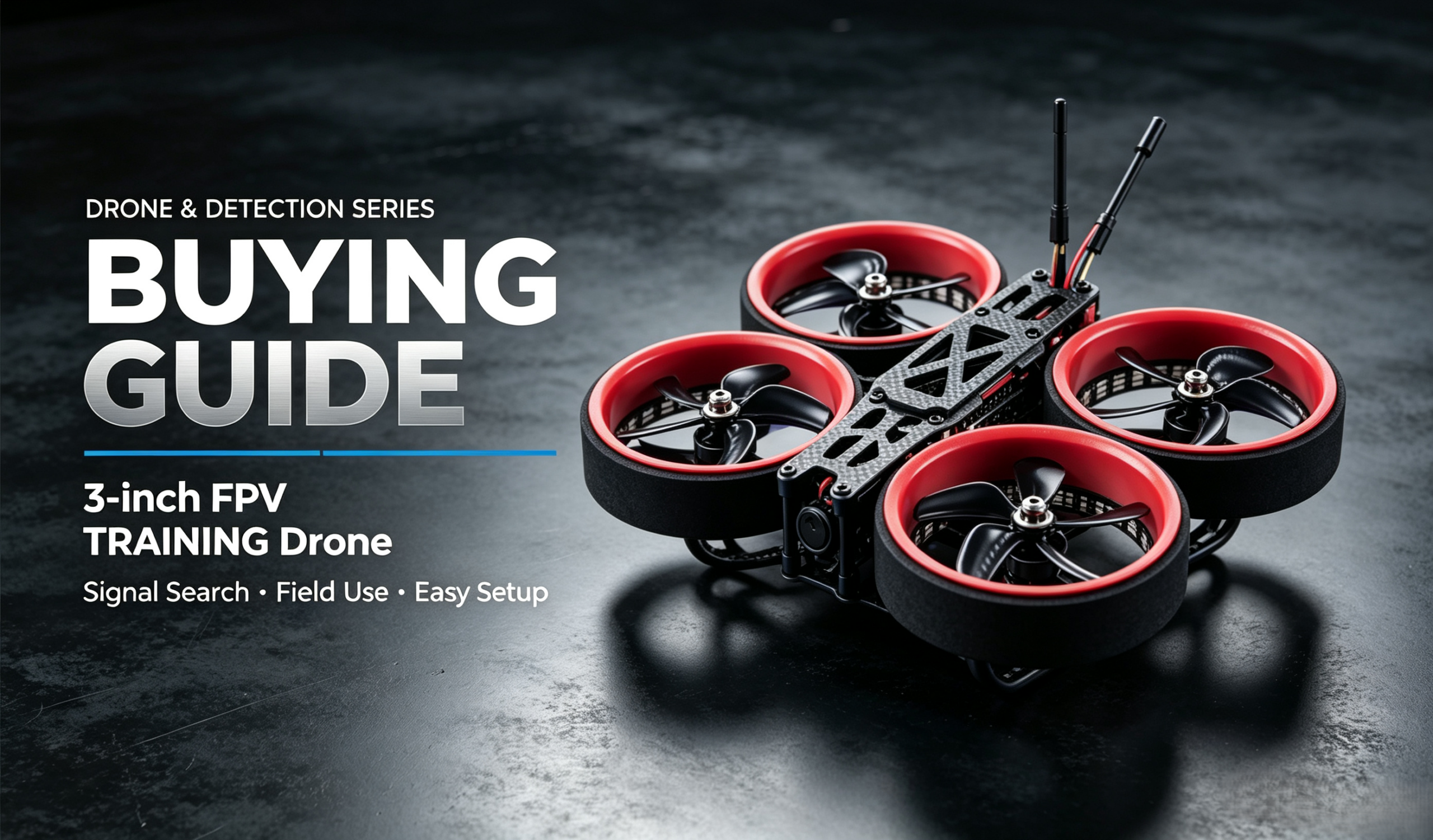
Introduction 3‑inch TRAINING FPV is a 3‑inch cinewhoop FPV training drone with full propeller duct protection. Built for crash‑resistant beginner‑level FPV practice, it can also operate indoors and in confined spaces. Lightweight with zero payload capacity,…
Introduction
3‑inch TRAINING FPV is a 3‑inch cinewhoop FPV training drone with full propeller duct protection. Built for crash‑resistant beginner‑level FPV practice, it can also operate indoors and in confined spaces. Lightweight with zero payload capacity, sub‑30ms video latency and 5‑8 min flight time. This buying guide explains specs, matches your training requirements, lists recommended accessories and points out operational limitations for your procurement reference.
Quick‑view Specifications
Hardware Overview
‑Model: 3‑inch TRAINING FPV ‑Frame: Wheelbase 145 mm, frame size 93111 mm, cinewhoop duct‑protected frame ‑Flight Controller: F722, Gyro ICM42688P, mounting hole 30.530.5 ‑ESC: 20A / 45A / 50A (optional) ‑Motor: 1507 motor, KV2700 (customizable), 2‑6S input voltage ‑Camera: 1700TVL / 1800TVL, 1/2.7″ Starlight CMOS Sensor ‑VTX: 5.8G VTX 20‑600 ‑Propeller: GEMFAN D75 MMS‑2 ‑Receiver: ELRS 2.4G, matched with 2.4G RHCP high‑gain antenna ‑Battery strap: 20*250 mm ‑Weight: ≈0.3 kg (battery excluded) ‑Payload: 0, Max Payload: 0
Flight Performance
‑Video transmit latency: within 30 ms ‑Flight time: 5‑8 minutes
⚠️Notice: 5‑8 min flight time is lab‑tested under ideal conditions. Real endurance varies with battery type and flying style. No payload can be mounted on this drone.
Key Specs Breakdown
1. Duct‑protected cinewhoop design
Foam duct guards fully enclose propellers. Advantage: Protect props during indoor collisions, greatly reduce crash damage for new pilots. Drawback: Ducts bring extra aerodynamic drag; agility and top speed are lower compared to frame‑only freestyle quadcopters.
2. F722 FC with ICM42688P gyro
Mature mainstream FPV stack. Excellent anti‑vibration gyro performance, supports wide 2‑6S voltage range. Multiple ESC options for different power levels.
Buying note: 20A ESC for gentle beginner training; 45A/50A delivers stronger power for advanced practice.
3. Starlight‑grade CMOS FPV camera
1700‑1800TVL analog camera with 1/2.7‑inch starlight sensor, decent low‑light performance for indoor and dusk training.
Note: It is analog FPV camera, not for high‑definition aerial photography & video recording.
4. 5.8G VTX with ≤30 ms latency
Low‑latency video transmission for immersive FPV piloting. Adjustable VTX power 20‑600 for indoor/outdoor scenarios.
5. ELRS 2.4G receiver
ELRS 2.4 GHz radio link paired with RHCP high‑gain antenna, designed for short‑to‑medium range training.
Limitation: 2.4G signal degrades behind walls and metal obstacles in complex indoor environments.
6. Zero‑payload design (critical buying factor)
Pure training‑oriented platform. Payload rating = 0. No mission modules, cameras or drop‑devices can be attached.
✅ Suitable Users & Application Scenarios
- Absolute FPV beginners seeking safe‑mode flight practice
- Indoor / warehouse / confined‑space flight training
- Educational institutions for FPV hands‑on teaching
- Users wanting crash‑tolerant platform to cut maintenance cost during practice
- Visual‑line‑of‑sight short‑range FPV training, no long‑distance or heavy‑duty missions.
❌ Not Recommended For
- Any payload‑carrying or cargo‑delivery missions: zero payload capacity.
- Long‑range beyond‑visual‑range missions: limited 2.4G link plus high duct drag.
- High‑quality aerial video work: analog‑only camera, no HD recording.
- Aggressive high‑speed freestyle flight: ducts limit ultimate performance.
- Plateau or special‑operation industrial tasks: it is a trainer, not a work‑grade UAV.
Recommended Accessories List
- ELRS 2.4G radio transmitter (example: TX12 series)
- FPV goggles compatible with 5.8GHz video receiving
- 6S 800‑900 mAh lipo batteries (recommended spec)
- Spare propellers and spare duct rings (high‑consumption crash parts)
- Lipo battery charger.
Buying & Operating Pitfall Checklist
- 5‑8 min flight time is ideal‑lab value. Aggressive maneuvers shorten flight duration, manage flight time during training.
- Payload = 0. Never attach any extra objects; flight attitude will collapse.
- Duct guards reduce but cannot eliminate damage. High‑speed crashes still break motors and frames.
- 2.4 GHz signal suffers attenuation behind walls / metal. Keep visual distance for indoor flights.
- ESC selection: choose 20A for pure beginners; pick 45A/50A only if you already have FPV experience.
- Requires FPV tuning before flight; it is not true plug‑and‑play.
- Always comply with local UAV regulations; prioritize indoor training.
Model Comparison
‑Pick 3‑inch TRAINING FPV: For FPV beginners, education, indoor confined‑space practice, crash‑safety priority. ‑Pick Lion7: For 20 km long‑range flight & heavy‑payload cargo delivery. ‑Pick The Falcon: For high‑speed AI‑guided one‑way loitering missions. ‑Pick XL‑UP: For Ku‑band satellite‑terminal signal detection.
Final Buying Conclusion
3‑inch TRAINING FPV is a crash‑resistant cinewhoop training quadcopter. Duct protection makes it ideal for new‑pilot teaching and indoor confined‑space practice, with low‑latency FPV video and multi‑power ESC options. Keep its limitations in mind: zero payload, short flight time, not built for long‑range, heavy‑load or special‑mission operations.
Product Page:https://iuavofficial.com/product/3‑inch‑fpv‑training‑drone/